
Carbon Steel Sheet Plate Specifications Explained | A Practical Buying Guide
Carbon Steel Sheet Plate is one of the most widely used steel materials in construction, machinery, fabrication and industrial projects.
For global B2B buyers, understanding technical specifications is essential to ensure correct material selection, cost control and project safety.
This article focuses on specification fundamentals, providing a clear reference for professional procurement.
Key Specifications of Carbon Steel Sheet Plate
Thickness Range
Width & Length
Grades & Standards
Delivery Condition
Dimensional Tolerance
What Buyers Should Confirm Before Ordering
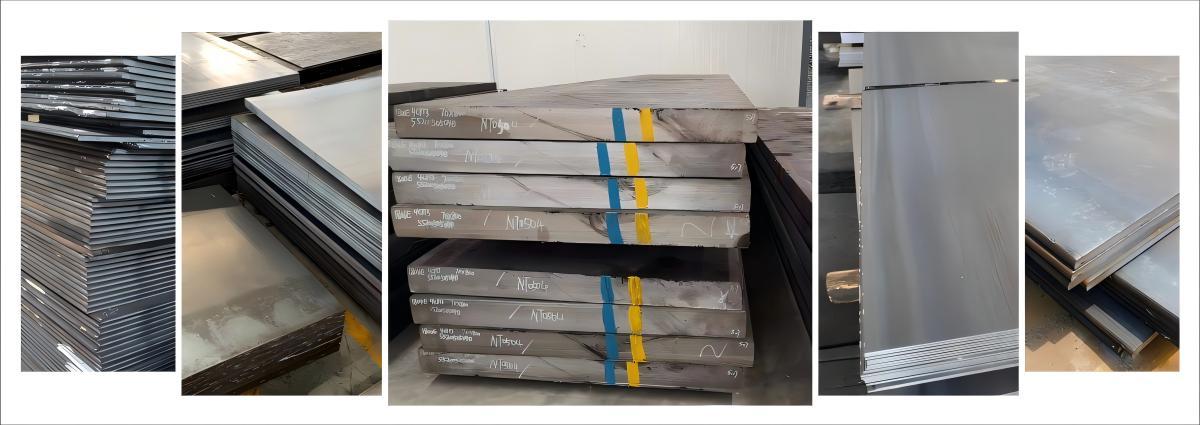
Applicable standard and grade
Thickness tolerance requirements
Inspection documents (MTC, third-party testing)
End-use application (structural / pressure / general fabrication)
Conclusion
Carbon steel sheet plate is not a one-size-fits-all product.
Correct specification selection ensures performance reliability and long-term project efficiency.
Previous:Already the first
Related Posts
- ◉ Carbon Steel Sheet Plate Specifications Explained | A Practical Buying Guide
- ◉ Carbon Steel Sheet/Plate Guide: Specifications, Grades & Applications
- ◉ Galvanized Steel Sheet Knowledge Center for B2B Buyers
- ◉ Processing Services for Galvanized Steel Sheet Supply
- ◉ Galvanized Steel Sheet Applications Across Industries
Get Your Quote Within 24 Hours