
Overview of Industry Developments
Chinese stainless steel plate suppliers have released an industry update analyzing commonly used grades in global industrial applications. The report aims to support B2B buyers in making informed material selections.
Common Grades of Stainless Steel Plate
304 Stainless Steel Plate — The Most Widely Used General-Purpose Grade
304 remains the dominant material in food processing equipment, architectural decoration, and general industrial manufacturing due to its stable performance.
316L Stainless Steel Plate — Enhanced Resistance for Corrosive Environments
With added molybdenum, 316L offers better resistance to chloride-induced corrosion, making it suitable for chemical processing and seawater-related systems.
321 and 310S — Key Materials for High-Temperature Applications
321: Titanium stabilization improves resistance to intergranular corrosion at elevated temperatures.
310S: High chromium and nickel content makes it ideal for furnaces and heat exchangers.
Duplex and Super Duplex Stainless Steel Plates — Meeting Demands in Harsh Conditions
Grades such as 2205 and 2507 are gaining traction in offshore engineering, energy equipment, and high-pressure environments due to their strength and pitting resistance.
Supply Chain Strength and Global Demand Trends
Mature Stainless Steel Plate Supply Chain in China
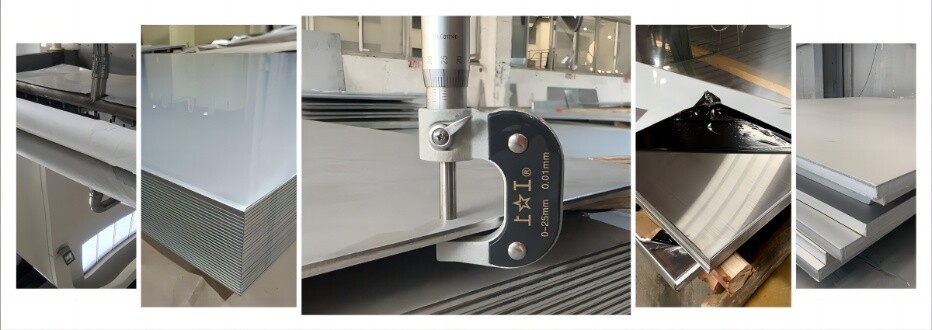
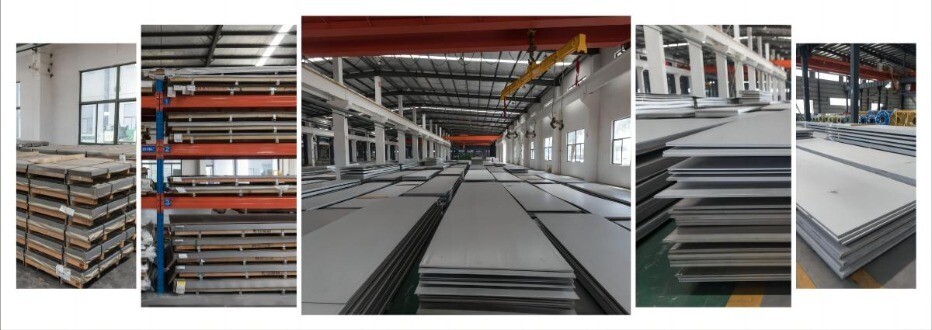
The report highlights China’s integrated production system—spanning melting, rolling, and processing—which supports global demand for diverse stainless steel materials.
Growing Industry Focus on Material Performance
As operating conditions become more demanding, manufacturers increasingly prioritize materials with high corrosion resistance, strength, and long service life.
Conclusion
The analysis shows that the diversity of stainless steel plate grades will continue to shape future industrial material use. Understanding the differences between materials enables companies to optimize procurement strategies.
Related Posts
- ◉ Processing Services for Galvanized Steel Sheet Supply
- ◉ Galvanized Steel Sheet Applications Across Industries
- ◉ Galvanized Steel Sheet Surface Finishes and Application Impact
- ◉ Galvanized Steel Sheet Specifications: A Practical Buying Guide
- ◉ Processing Services for Stainless Steel Plates: Addressing Diverse Industrial Manufacturing Needs